

Owners feel it as a rush. Short-notice demand. A diary that looks full until it is not. Patients feel something different: scarcity. When slots feel hard to get, they change how they research and how they book.
For how patients choose a clinic in calmer conditions, see How UK patients choose an aesthetic clinic.
What the PSA figures show
A Professional Standards Authority / Censuswide study of 1,000 adults living in the UK aged 18+ who have used a practitioner (fieldwork 30 June to 7 July 2026) found:
- 28% do less research when appointments are scarce
- 25% act under pre-event time pressure
- 24% book last-minute
- Only one in six people (16.5%) have used a verified register
Those are patient behaviours under pressure. They are not your clinic's cancellation rate. Keep the sample definition with the percentages so the numbers stay honest when the team quotes them.
Why a fuller calendar and clear move windows matter
If patients feel there is lots of spare diary space and long windows to move, they reshuffle more often. A loose book reads as optional. Soft rules invite soft commitment.
If space feels limited (a fuller book, clear lead times to cancel or move), the clinic reads more premium. Last-minute churn drops because moves are harder and costlier in time. That is not fake panic. It is honest diary truth plus rules that protect the book.
Enforce cancellation policies fairly and clearly: how long before the appointment a patient can move or cancel. Soft rules create harder mornings. Uneven rules create harder arguments. Publish the window, apply it evenly, and stick to it when the diary is busy and when it is not.
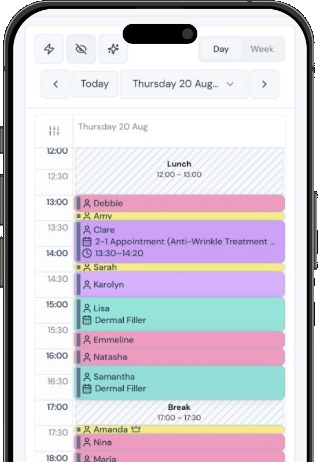
One practical way to keep the book tighter without inventing panic is Minimise Gaps. Instead of offering every open minute across the day, it surfaces times before and after appointments you already have. That cuts a gappy calendar, and when patients book, it visibly looks busier because slots cluster around real demand. The point is not a trick. It is using scarcity to run a more efficient diary, then protecting those slots with a clear move window.
Practical habits in that frame
- Keep the book clustered. Use tools like Minimise Gaps so offered times sit next to existing appointments. You get fewer dead gaps and a diary that looks fuller because it is tighter, not because you invented panic.
- Publish the move and cancel window. Put the lead time in confirmations and on the booking path so patients see it before they reshuffle.
- Apply the window evenly. Same rule for friends, VIPs, and first-timers. Exceptions should be rare and named, not silent.
- Keep the diary honest. If you have space, say so. If you do not, name the next real slot. Honest scarcity beats theatrical scarcity.
A second check: look at short-notice moves last month. How many landed inside your published window? If almost everything was allowed late, the window is decoration. Tighten the rule or stop claiming it.
Only one in six people (16.5%) in the study have used a verified register. Do not assume deep diligence before the booking. Clear diary rules and clear next steps still matter when the booking was rushed.
Where Clinic Membership sits
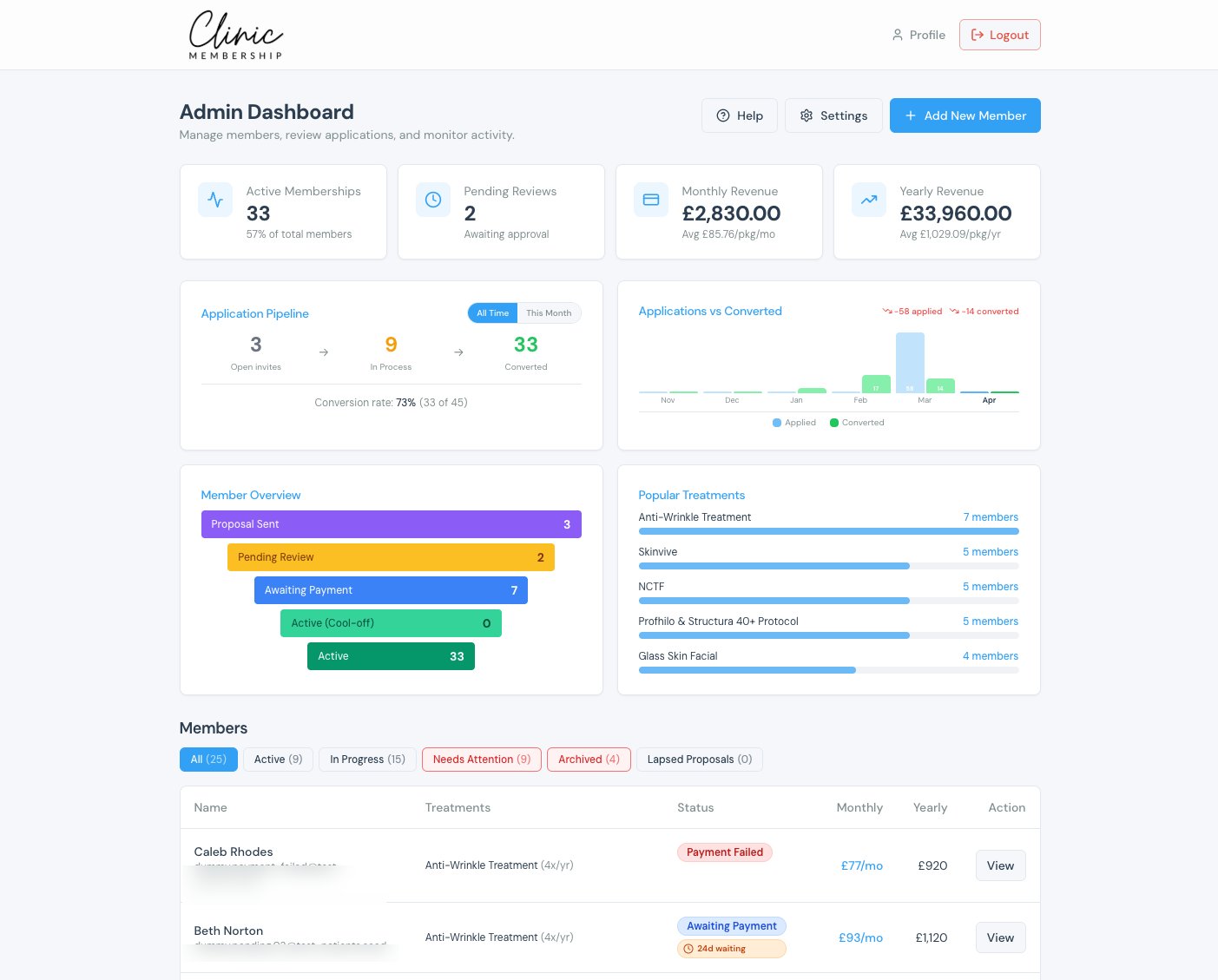
Clinic Membership is clinic management software for UK aesthetics clinics: patients, calendar, memberships, payments and reports in one place. Features like Minimise Gaps help you offer times that sit next to existing appointments, so the diary stays efficient and looks fuller without three tabs of workarounds. The cancel window stays visible in the same place. Free covers up to 10 patient records. Amounts after that live on pricing.
Auto-onboarding runs on every plan including Free, and a clinic can be live in under 60 minutes on the operational side. That helps when you want the diary and rules tidy enough to enforce fairly. It is not a claim that software removes short-notice demand.
What to do this week
- Write down your real cancel and move window in one sentence. Put it where patients see it.
- Check whether last month's short-notice moves followed that window, or quietly ignored it.
- Turn on Minimise Gaps (or the same habit manually) so new bookings fill around existing ones instead of scattering across the week.
- Keep the diary honest: name the next real slot when the book is full.
Scarce appointments change patient behaviour before they change your marketing plan. Meet that behaviour with a fuller book and clearer rules, not with panic scripts.