
If you run memberships in a UK aesthetic clinic, the commercial paperwork has to work on a busy day, not only on a quiet one. That means a signed membership agreement is in place, the cooling-off period is clear, treatments are not booked before that period ends, and anyone on the team can find the signed copy on the patient record when a question comes up.
This is the simple version of how to run that. For a clause checklist inside the document itself, use the Membership Agreement Template for Aesthetics Clinics.
What good looks like
- An agreement is in place. Every member has current commercial terms before the first recurring card payment.
- It is signed. You can show a dated signature, not a vague "they agreed at reception".
- The cooling-off period is written clearly. Clinic Membership carries a 14-day cooling-off period as standard, which you can extend. Both halves belong in the agreement and in the script your team uses.
- Treatments wait for the cooling-off period. Do not schedule or book membership treatments that should wait until cooling-off has ended.
- The cooling-off clock is visible. Staff and the member can see where they are in the period without asking the owner.
- The signed agreement sits on the patient record. Anyone who needs it can open it quickly. One place. Easy to find.
If those six lines are true, most membership disputes get smaller before they start.
Keep the agreement simple
You do not need a novel. You need a document your front of house can explain.
- What the member pays for, in plain English
- How recurring card payments run (never Direct Debit or BACS language)
- How cancellation works
- The full cooling-off shape: a 14-day cooling-off period as standard, which you can extend
- Business name and address that match Companies House
Amounts for plans belong on pricing, not pasted into every blog or ad. Free covers up to 10 patient records.
Cooling-off periods before treatments
Cooling-off is not a footnote. It is a clock.
Fourteen days is the legal floor for distance contracts. "Which you can extend" is your clinic control. Write both. Train reception on both. Then protect the diary: if a treatment should wait until cooling-off ends, do not book it early "to be helpful". That help becomes a refund argument later.
When the period ends, booking and scheduling can move as normal. The clean path is agreement signed, clock visible, diary respects the clock, then treat.
Storage: one place everyone can open
A signed agreement that lives in someone's email is not stored. A signed agreement on the patient record is.
Ask yourself:
- Can a new receptionist find today's signed membership agreement without calling you?
- Can the member get a copy without a scavenger hunt?
- If a question lands in three months, is the file still attached to the right patient?
If the answer is no, fix storage before you push more membership ads.
A simple four-week tidy-up
- Week 1: List every membership agreement template you still use. Keep one current version. Archive the rest.
- Week 2: Check where signed copies live today (email, Drive, paper drawer, patient record). Move live signed agreements onto the patient record so the team can open them.
- Week 3: Rewrite the cooling-off line so both halves appear, and align the diary rule: no early booking when cooling-off should block treatment.
- Week 4: Walk one new signup end to end with a colleague. Confirm signature, visible clock, storage on the record, and the first bookable date after cooling-off.
That is enough. No theatre. Just a clean path from signup to treatment.
The simplest way to run it
You can run memberships with a solid agreement and tight habits. Many clinics do.
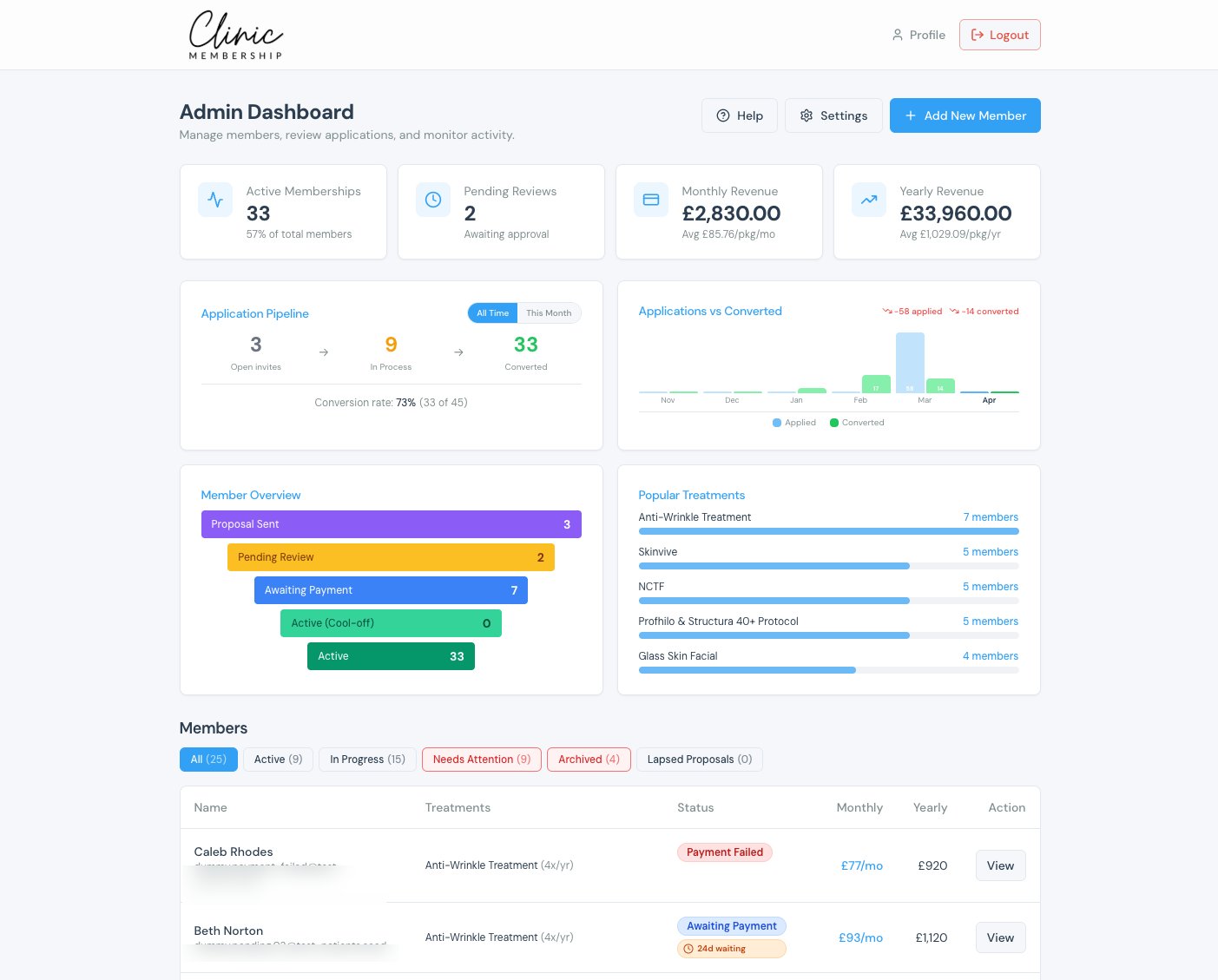
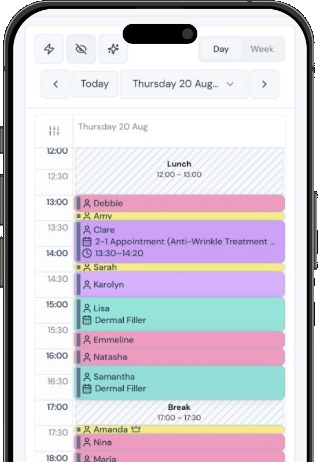
The simplest path is Clinic Membership. Front of house can send a digital membership agreement at the touch of a button, keep the signed copy on the patient record, and keep patients, calendar, memberships, payments and reports in one place so anyone can find what they need. Auto-onboarding runs on every plan including Free, and a clinic can be live in under 60 minutes on the operational side. When cooling-off ends, treatments can be scheduled and booked in the same system.
It does not replace your solicitor. It does replace the scavenger hunt.
What to do this week
- Confirm every active member has a signed agreement on the patient record.
- Put the full cooling-off shape into the live agreement: a 14-day cooling-off period as standard, which you can extend.
- Block diary bookings that should wait until cooling-off ends.
- Make sure reception can open the signed file and see the cooling-off clock without asking the owner.
Paperwork will not win you a before-and-after photo. It will keep the membership programme honest when someone asks what they signed, and when the first treatment should land.