
Most clinic owners we talk to don't have a membership problem. They have an offer problem. The plan exists, the pricing is sorted, the sign-up link works, but memberships still trickle in one at a time, usually because a patient asked first. The clinics that grow a healthy recurring base do something quietly different: they decide, on purpose, which patients to invite and when to bring it up. This is a front-of-house skill, not a marketing campaign, and it's one your whole team can learn.
Here's the playbook we see working in UK aesthetic clinics.
Start with the patients you already have
The best membership candidate is almost never a new lead. It's someone already sitting in your patient records who comes back on a rough rhythm and would happily lock that rhythm in if you made it easy. Before you spend a penny on ads, work through the list you already own.
That matters because the economics reward keeping patients far more than winning new ones. About a third of first-time patients never come back at all (American Med Spa Association). And the classic Bain & Company research still holds: lifting retention by just 5% can raise profit by 25% to 95%. A membership is simply the most reliable tool you have for turning a "maybe I'll rebook" into a standing commitment. So the question isn't how do I find members. It's which of my existing patients are already behaving like one?
The four signals of a strong membership candidate
You don't need a spreadsheet or a data science degree. You need to know what to look for when a patient's record is in front of you.
1. They come back on a cadence. Anyone already returning every few months for the same treatment: a quarterly toxin appointment, regular skin maintenance, a course they're part-way through, is a natural fit. A membership doesn't change their behaviour; it smooths a rhythm they've already chosen into predictable monthly billing.
2. They plan ahead rather than react. There's a growing group of patients who treat aesthetics as ongoing, preventative upkeep: the "prejuvenation" mindset of starting earlier and maintaining results rather than chasing a fix. UK search interest in that approach has been climbing sharply. These patients think in years, not single appointments, which is exactly how a membership thinks too.
3. They ask about results between visits. The patient who messages to check when their next session should be, or worries about a result fading, is telling you they want continuity. A membership gives them a structure for it.
4. They value certainty over discounts. Not every patient wants a plan, and that's fine. The ones worth inviting are the people who like knowing what's booked, what's paid and what's next: the certainty, not just a saving.
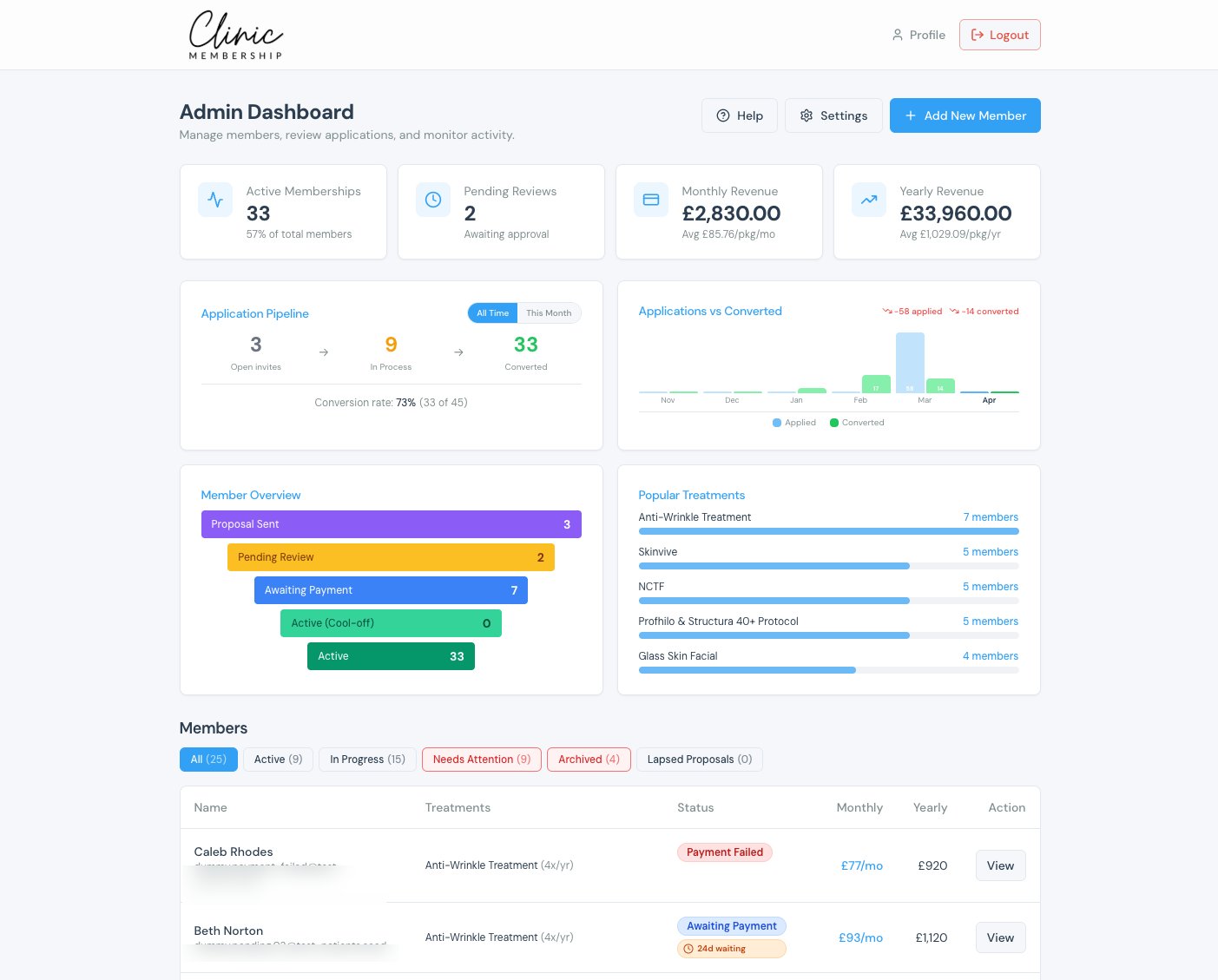
If you're not sure who fits, your patient records are the honest answer. A single view of each patient's visit history, spend and upcoming appointments makes these four signals obvious at a glance, which is one reason it helps to have that history in one place rather than scattered across a diary, a card machine and a notes app.
When to make the offer
Timing beats persuasion. The moment to mention a membership is at the end of a good visit, when a patient is happy with their result and already thinking about the next one, not in a cold follow-up email three weeks later when the glow has faded.
Practically, that means two anchor points:
- The first consultation. Plant the seed before anyone has framed you as a one-off. You don't have to close it there, just let them know a plan exists for patients who want to keep results going.
- The rebooking moment. As you're agreeing the next appointment, that's the natural cue: "Since you're coming back every few months anyway, would it help to put this on a plan?"
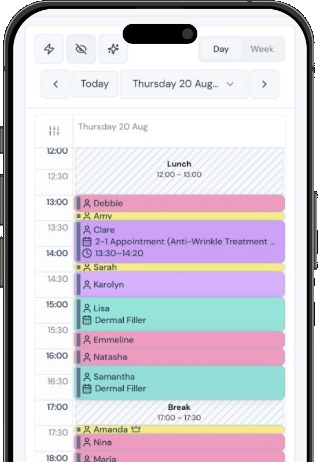
The rebooking moment is the one most clinics miss, because it depends on actually prompting the next visit before the patient leaves. If your system reminds you (and the patient) when the next appointment is due, the invite becomes routine instead of something you have to remember.
How to phrase the invite
Keep it about them, not about your revenue. Three lines that work:
- Name the rhythm they already have. "You're in roughly every three months for this anyway…"
- Frame the plan as making that easier. "…so a membership just spreads it into a monthly payment and keeps your appointments booked in."
- Make saying yes effortless. "I can set it up now. You'll get the terms to review and sign, and it starts from your next visit."
No pressure, no hard sell. You're offering to make something they already do more convenient. With the right setup, the patient reviews the plan, signs the agreement and sets up their recurring payment online in a couple of minutes, so the "yes" doesn't create a pile of admin for your front desk.
Turn it into a team habit, not a one-off
A membership base grows when every qualifying patient hears the offer, not just the ones who happen to ask. Give your team a simple internal rule ("mention the plan at every first consultation and every rebooking"), make sure they can see each patient's history when they need it, and let your software handle the agreement, billing and renewal reminders in the background. That's the difference between a plan that exists and a plan that fills up.
The takeaway
You almost certainly already have your first wave of members. They're the patients quietly returning on a cadence, planning ahead and asking what's next. The job isn't to find them; it's to notice them and make the invite feel natural at the right moment. Get that front-of-house habit right and recurring revenue stops being something you chase and starts being something your existing patients opt into.
If you'd like to see how the whole flow works (building a plan, inviting patients, and letting them sign and pay online) take a look at Clinic Membership, read our guide on why a third of first-time patients never come back, or see how to set up a clinic membership in seven days. When you're ready, compare plans on our pricing page or see why we're the purpose-built membership software for UK clinics.
Clinic Membership is clinic management software for UK aesthetics clinics: patients, calendar, memberships, payments and reports in one place. It is not medical-records (EMR) software.