
Being fully booked is supposed to be the good problem.
Search for why do aesthetics clinics struggle with appointment booking and the answers you find are mostly about the diary: capacity, cancellations, admin, no-shows. Those are all real problems. New UK research points at one the diary never shows you, and its cost does not land on the clinic. It lands on the patient who could not get in.
The Professional Standards Authority found that 28% of patients do less research into the person treating them when appointments are scarce. The treatment still happens. The checking beforehand is what gets shortened.
This piece is about the half of the problem that happens after someone fails to get an appointment with you and goes looking somewhere else.
What the research actually found
The Professional Standards Authority commissioned Censuswide to survey 1,000 UK adults aged 18 and over who had used a practitioner. Fieldwork ran from 30 June to 7 July 2026, and the findings were reported by Professional Beauty on 11 August 2026.
28% of them said they do less research when appointments are scarce. Similar proportions said the same about being under time pressure before an event (25%) and about booking last minute (24%).
What gives that its weight is a second figure from the same survey: only 16.5% of the people asked had ever used a verified register to check a practitioner before booking.
The baseline level of checking, in other words, is already low, and scarcity pushes it lower.
Two things are worth holding onto here. This is UK data about UK patients, and the sample is people who have actually used a practitioner rather than the general public speculating about what they might do one day.
Why do aesthetics clinics struggle with appointment booking?
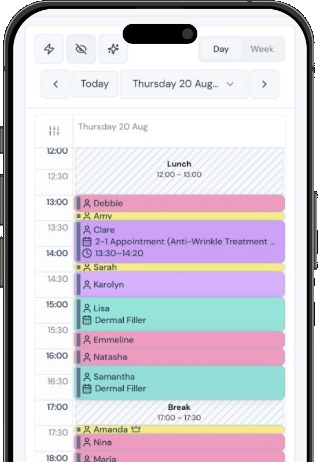
Mostly because demand does not arrive evenly and capacity cannot flex to meet it. A clinic has a fixed number of rooms and clinical hours, and a diary that fills in clusters around events, seasons and treatment cycles.
The result is familiar to anyone who runs one. Some weeks you are turning people away, other weeks you have gaps you are trying to fill, and both usually get treated as separate problems.
What this research adds is a consequence to the first of those weeks. When your diary is full, the people who wanted to see you rarely wait for you. Many of them book elsewhere instead, and on this evidence a meaningful share of them do it with less checking than they would have done if a slot had been free.
There is also considerably more elsewhere to go to than there used to be. UCL research published in the Aesthetic Surgery Journal Open Forum in February 2026 counted 19,701 practitioners across 5,589 clinics in the UK, with practitioner numbers up 437% since 2023.
That growth is the context that makes "does less research" matter more now than it would have three years ago. The field a rushed patient is choosing from has got considerably bigger in a short space of time.
If it is the tooling side of this you are after, we have written separately about what to look for in an aesthetic clinic booking system. Today's post is about the behaviour rather than the software.
The patient you never see
Here is the sequence, and it is worth sitting with for a moment.
Someone decides they want a treatment. They think of you, or they find you. They try to book, and the first available appointment is five weeks out, or the online slot they had in mind has already gone.
They still want the treatment. So they search again, find someone with availability this week, and book that instead. On the evidence above, more than a quarter of the people in that position will have done less checking than they otherwise would.
You never learn any of this happened, because there is no enquiry sitting in your inbox and no gap in your diary. From where you are standing, it was a good week.
That is why this is a patient safety observation before it is a commercial one. A decision made in a hurry under scarcity is a worse-informed decision, and nobody did anything wrong to cause it. A full diary was simply doing what full diaries do.
The answer is not to market harder into a full diary
If the problem is that people cannot get in, more people trying to get in does not fix anything.
It is an odd position to be in, because much of the advice aimed at clinic owners assumes the constraint is demand. When the constraint is capacity, the useful question changes shape. Instead of asking how to reach more people, you end up asking which people should never be in the position of rushing this decision at all. The answer to that one is the patients you already have.
A patient who knows who is treating them, when the next appointment is, and what was done at the last one is not making a scarcity decision. They are not in the market and not comparing anybody, because they chose already and the choice is still standing.
What that looks like in a diary
Two practical things, and neither of them is glamorous.
The first is a booked cadence. Rather than ending an appointment with "book again in about twelve weeks", the next appointment exists before the patient leaves the room. That is what a membership does structurally: it turns an intention into a date. We have written before about how rebooking becomes a habit and about why patients quietly stop coming back, and both come round to the same point. Nobody rushes a decision they made three months ago.
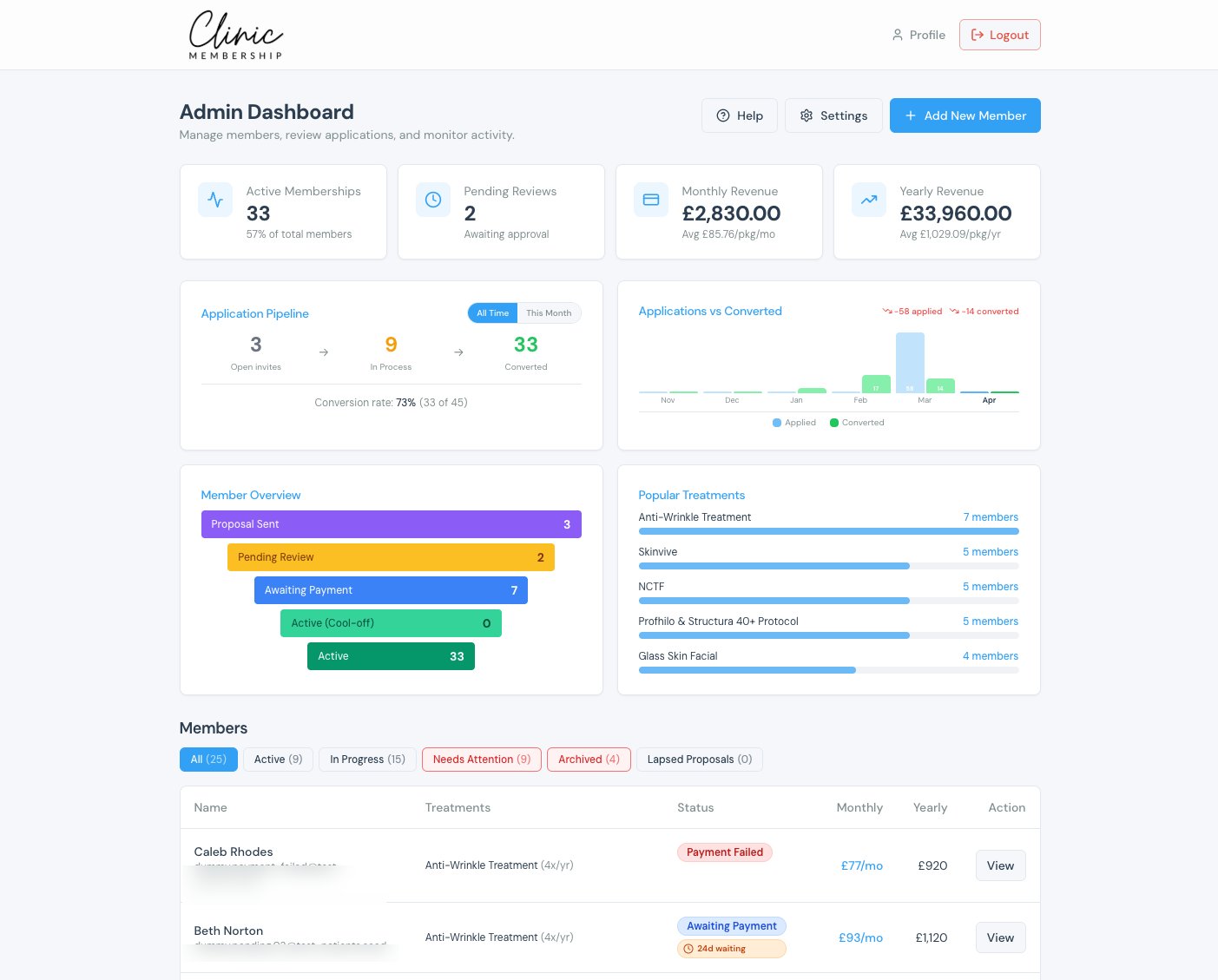
The second is what happens when something does open up. If a patient has told you which days and times suit them and asked to hear about anything earlier, a cancellation already has somewhere to go before you have picked up the phone. Clinic Membership handles that part automatically: the patient is notified, and they can take the slot or move their existing appointment into it without anyone in the clinic doing the ringing round. It sits alongside the ordinary work of filling last-minute cancellations rather than replacing it.
Both of those are scheduling changes rather than marketing ones, and they happen to protect the patient as a side effect.
The takeaway
Scarcity usually reads as a sign that things are going well, and very often it is exactly that. This research just adds a second reading alongside it. Every week your diary is full, some number of people who wanted to see you made a faster and less examined decision somewhere else.
You cannot solve that by being less busy. What you can do is make sure the patients already on your books are never the ones doing it, because their next appointment already exists.
That is what a booked cadence buys you. The recurring revenue is real, and you can see how the pieces fit together and what it costs whenever you want to. The first thing it buys, though, is a patient who never has to choose in a hurry.